
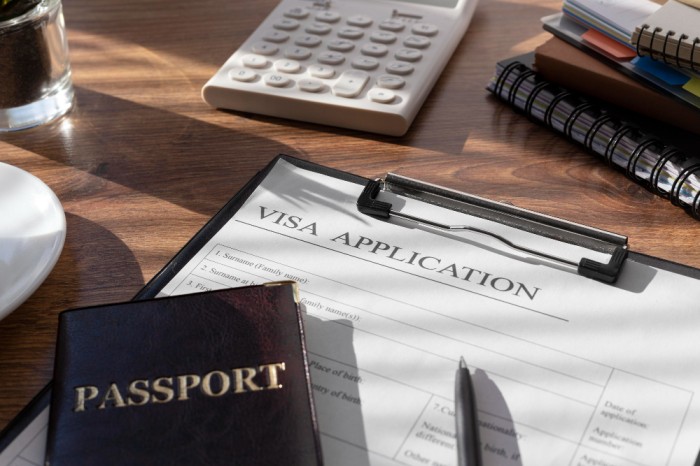
Togo has taken a significant step towards enhancing regional integration by eliminating visa requirements for African travelers. This new policy, which came into effect on May 18, allows citizens from across the continent to enter Togo without a visa for stays up to 30 days. The initiative aims to foster tourism, business opportunities, and regional cooperation, aligning Togo with other African nations advocating for easier cross-border movement.
While the visa requirement has been lifted, travelers must still adhere to Togo’s entry conditions, which include meeting immigration, security, and public health protocols. Visitors are also required to submit a travel declaration through a government platform at least 24 hours before their arrival to obtain the necessary travel document. These measures are structured to maintain border security while facilitating smoother travel for African visitors.
The Togo government views this policy as a step towards transforming its capital, Lomé, into a regional hub for trade, services, and investment. By simplifying travel rules, officials anticipate attracting entrepreneurs, investors, and skilled professionals, thereby strengthening ties with other African economies. This move is also expected to boost both tourism and business travel within West Africa.
Several African countries, including Rwanda, Ghana, and Benin, have already embraced similar policies aimed at improving intra-continental mobility. This development coincides with ongoing discussions among African leaders on enhancing the effectiveness of the African Continental Free Trade Area. Analysts suggest that trade agreements are more successful when there is greater freedom of movement across borders, facilitating business, investment, and commerce.
Although Togo will continue to enforce border controls and security checks, the elimination of visa requirements is anticipated to lower a significant barrier for African travelers. For many, this decision symbolizes progress towards a continent with fewer travel restrictions, stronger trade relationships, and enhanced economic collaboration.