
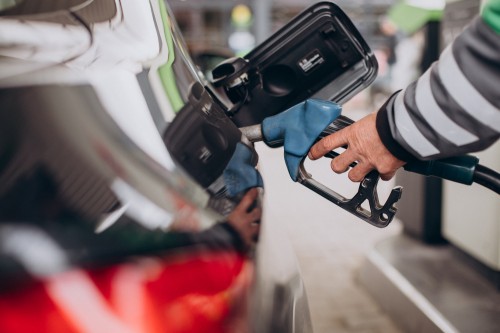
In South Africa, escalating fuel prices in 2026 have prompted motorists to cut back on driving and fuel expenditures as they grapple with strained household budgets. The surge in fuel costs began with a significant increase in April, where petrol prices rose by R3.06 per litre and diesel saw an unprecedented jump of R7.51 per litre. Although the government sought to mitigate these effects with a temporary R3 per litre tax relief, fuel costs continued their upward trajectory in May, adding R3.27 per litre for petrol and R6.18 per litre for diesel.
Data from Discovery Insure reveals a marked decline in driving habits as a reaction to these price hikes. Fuel purchases fell by 35 percent in April, while there was a 10 percent reduction in the number of trips taken. Additionally, total driving distances dropped by 9 percent, even during the typically busy Easter holiday period. According to Discovery Insure CEO Robert Attwell, the rising fuel prices have made motorists more cautious about their vehicle usage, prompting more selective decisions on travel frequency and necessity.
Further insights from Discovery Bank indicate a shift in fuel spending priorities, now primarily focused on essential activities such as commuting, school runs, and shopping. At the same time, there is a growing trend among younger consumers, aged 18 to 30, towards using ride-hailing services, reflecting a change in transportation preferences amid rising costs.
For diesel users, there is a glimmer of hope as wholesale prices are projected to decrease by up to R2.44 per litre. However, petrol prices are anticipated to climb further, with expectations of an increase by approximately R1.69 per litre. In line with these developments, the National Treasury plans to phase out the temporary fuel levy relief starting in June, contingent upon the stabilization of fuel prices.