
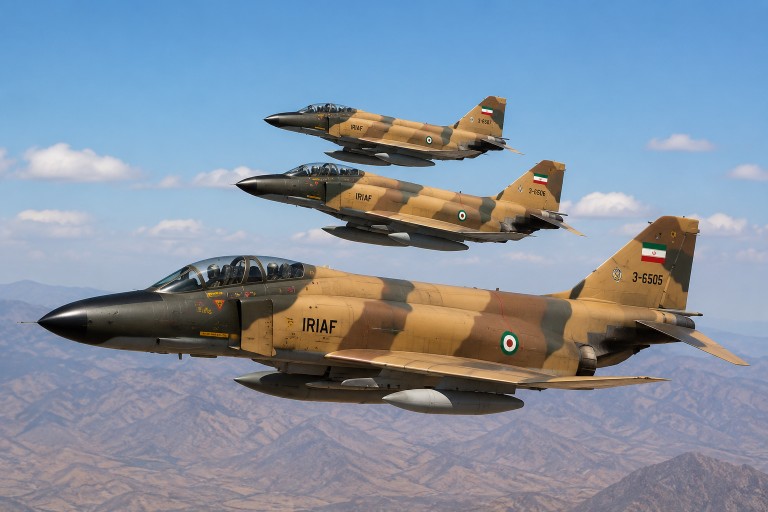
Escalating tensions in the Middle East have taken a dramatic turn as Iran launched a series of missile and drone attacks on Bahrain and Jordan. This comes in direct response to recent US military operations against Iranian targets. The United States conducted strikes in the Iranian port cities of Bushehr and Bandar Abbas, with the stated objective of diminishing Iran’s capacity to threaten commercial shipping lanes in the region.
In retaliation, Iran targeted Bahrain, the location of the US Navy’s Fifth Fleet, and Jordan, which hosts US military assets. Authorities in Bahrain reported successfully intercepting several incoming attacks, while Jordan announced it had intercepted multiple missiles before they could reach their intended destinations. These developments have sparked renewed fears of a wider regional conflict, further complicating diplomatic efforts aimed at easing tensions.
The situation has also had a significant impact on maritime security in the Strait of Hormuz, where two commercial tankers were attacked. This has intensified concerns about the safety of this critical shipping route, which is vital for global energy exports. As a result, global energy markets have been on edge, with crude oil prices rising due to the instability and increased risk in the region.
In light of the heightened security risks, international aviation authorities have advised airlines to avoid airspace over parts of the Gulf region. This precaution underscores the potential dangers posed by the escalating conflict and the broader implications for both regional and international stability.
The recent exchanges between the US and Iran highlight the fragile nature of peace efforts in the region and underscore the potential for further disruptions. As the situation develops, the international community remains watchful, concerned about the possibility of the conflict spilling over and affecting broader global dynamics.