
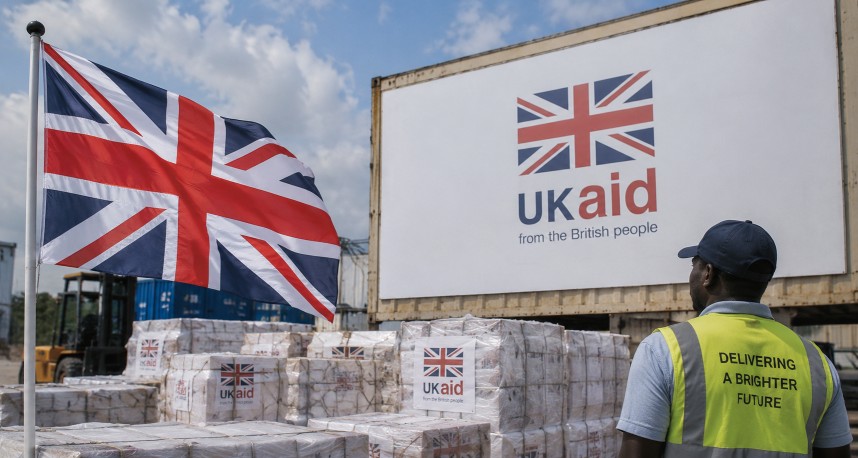
The UK government is preparing to make substantial cuts to its bilateral foreign aid to several African countries over the coming years, marking a significant shift in its development spending strategy. Official data reveals that aid to nations such as Mozambique and Malawi could be slashed by up to 90% by 2029. Meanwhile, Rwanda and Sierra Leone could see reductions of approximately 80%, and Somalia may face a near 50% decrease in aid.
This strategic realignment will see more funding redirected through multilateral organizations like the World Bank. The UK government asserts that this method will enhance the effectiveness of development assistance, while also supporting increased defense expenditure. The decision comes amid the country’s aim to take on a more prominent role in global economic cooperation, prompting a reevaluation of its overseas development policy.
Aid organizations, however, have expressed strong concerns over the planned cuts. They warn that such reductions could jeopardize humanitarian initiatives, poverty alleviation efforts, and support for communities battling conflict, climate change, and health crises. Critics argue that diminishing direct aid could weaken long-standing development partnerships throughout Africa, potentially undermining progress in these regions.
Despite these criticisms, government officials have reiterated the UK’s commitment to tackling global challenges. They emphasize that the focus will be on modernizing international partnerships and concentrating resources where they are most impactful. This approach, they argue, aligns with the country’s broader strategic goals and its ambitions to lead in global economic discourse.