
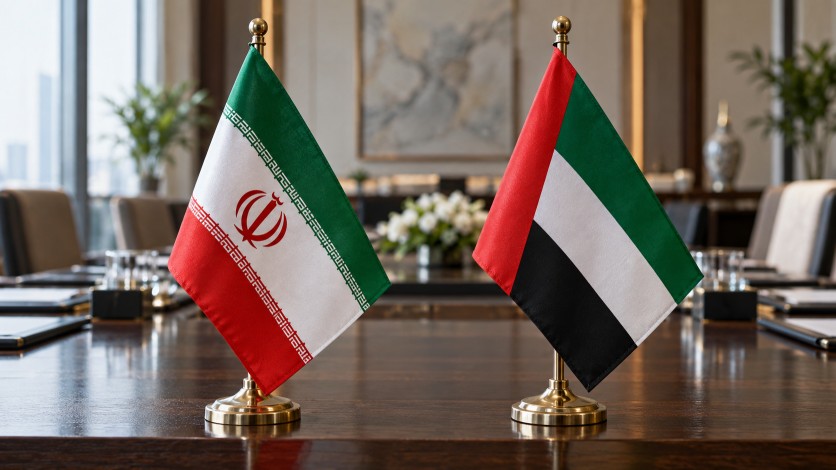
Iran has issued a stern warning to the United Arab Emirates and other countries in the region, citing concerns over Israel’s expanding influence following Israeli Prime Minister Benjamin Netanyahu’s visit to Abu Dhabi. The Iranian Foreign Ministry condemned Netanyahu’s visit on September 27 and cautioned regional governments against fostering closer ties with Israel, highlighting potential threats to regional stability.
During his visit to Abu Dhabi, Netanyahu met with UAE President Sheikh Mohamed bin Zayed Al Nahyan. The meeting, confirmed by the UAE, focused on enhancing bilateral relations and addressing regional challenges. This engagement comes amid ongoing tensions between Iran and Israel, with diplomatic and security activities intensifying across the Gulf region.
Iran’s warning emphasized the “highly dangerous consequences” of allowing Israeli presence to grow in the region. Tehran urged countries to prevent their territories from being used for activities that could destabilize the area. These statements reflect Iran’s longstanding apprehension about Israel’s influence and intentions in the Middle East.
The visit by the Israeli Prime Minister marks a continuation of Israel’s efforts to strengthen ties with Gulf nations, a move that has seen mixed reactions from regional powers. While some countries have welcomed closer engagement with Israel, others, like Iran, view it with suspicion and concern.
This development adds another layer of complexity to the already strained relations between Iran and Israel. The region continues to witness diplomatic maneuvering, with countries balancing their own national interests against the backdrop of broader geopolitical dynamics.