
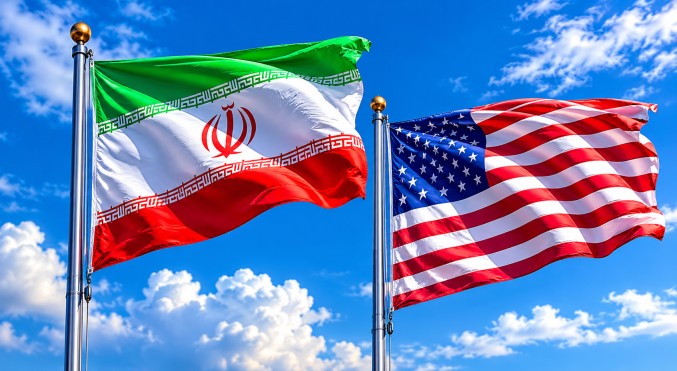
In recent negotiations between Iran and the United States, both nations have indicated slight advancements amid ongoing high tensions regarding potential US military actions. Iranian officials have reported a reduction in differences, with talks centering on establishing a broader ceasefire and easing regional tensions. Esmail Baghaei, spokesperson for Iran’s Foreign Ministry, mentioned that the primary focus is on ending hostilities, with nuclear matters to be addressed subsequently.
US Secretary of State Marco Rubio has also noted progress in the diplomatic discussions, suggesting that further developments might soon be on the horizon. The United States remains firm in its stance that Iran must be prevented from acquiring nuclear weapons, insisting on assurances concerning uranium stockpiles and the reopening of the Strait of Hormuz. Meanwhile, Iranian parliament speaker Mohammad Bagher Ghalibaf cautioned that any new US military actions would provoke a more robust Iranian retaliation, highlighting Iran’s restoration of some military capabilities after recent conflicts and a tentative ceasefire.
Pakistan continues to play a mediating role between Tehran and Washington, with the Pakistani army chief recently meeting Iran’s senior leaders in Tehran. These discussions have been described as constructive, with the aim of facilitating another round of direct negotiations between the US and Iran.
These diplomatic efforts are taking place against a backdrop of growing concerns about regional stability, global energy supplies, and the potential for further escalation in the Middle East. As both countries work towards a resolution, the international community remains watchful of the implications these negotiations could have on broader geopolitical dynamics.