
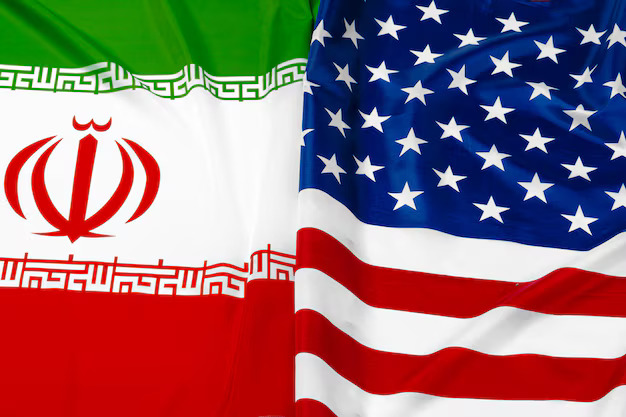
The United States and Iran have successfully negotiated a peace agreement aimed at halting nearly four months of conflict in the Middle East. Officials from both nations confirmed the deal, which mandates an immediate cessation of military actions on various fronts, including Lebanon. As part of this agreement, President Donald Trump announced that the Strait of Hormuz, a vital corridor for global shipping, will be reopened. This move is anticipated to resume international oil shipments and alleviate stress on global energy markets, although the exact timeline for restoring full access to the strait remains uncertain due to differing statements from the two countries.
A formal signing ceremony for the agreement is scheduled to occur in Geneva on June 19. The deal reportedly includes lifting U.S. naval restrictions and implementing measures to restore commercial shipping through the Strait of Hormuz. Furthermore, it is expected to grant Iran enhanced access to international oil markets, providing a much-needed boost to its struggling economy. However, more intricate issues such as Iran’s nuclear program will be addressed in a subsequent 60-day negotiation period, which aims to establish a broader and more comprehensive agreement.
The announcement of this peace agreement comes despite recent tensions in Lebanon, where Israeli military actions have cast a shadow over the stability of ongoing discussions. Iran has maintained that any deal must address all regional conflicts, including the involvement of Hezbollah in Lebanon. While this agreement is lauded as a significant diplomatic achievement, there is cautious optimism among analysts regarding the resolution of long-standing disputes within the proposed timeframe. Concerns persist over regional security questions, notably Iran’s missile program and its support for allied groups in the Middle East.
The reopening of the Strait of Hormuz is predicted to provide a positive impact on global energy markets. However, experts caution that returning to normal shipping operations and repairing infrastructure damaged by the conflict may take several months. This peace agreement represents a critical step towards reducing tensions in the region, yet the path to lasting peace remains complex and fraught with challenges.