
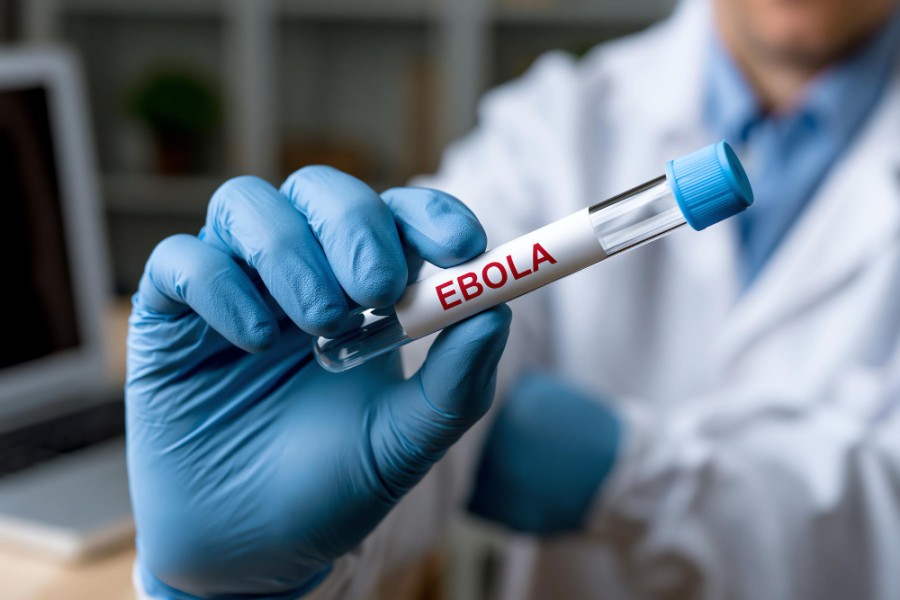
France has reported its first case of Ebola, identified in a doctor who recently returned from Ituri Province in the Democratic Republic of the Congo, an area currently experiencing an outbreak. The doctor is now in isolation at a specialized medical facility in France and is said to be in stable condition. Upon the patient’s arrival in France, health authorities implemented stringent safety protocols, ensuring secure transport and immediate isolation to minimize any risk of transmission.
Efforts are underway to trace individuals who may have come into contact with the doctor, with these people being required to monitor their health closely and self-isolate for a period of 21 days. The ongoing Ebola outbreak in Ituri Province has already resulted in hundreds of cases and deaths, prompting neighboring countries to remain vigilant for any signs of cross-border spread.
The outbreak is being driven by the Bundibugyo virus disease strain, a rare form of Ebola for which there is currently no approved vaccine or treatment. Ebola is known to spread through direct contact with the bodily fluids of an infected person, presenting symptoms such as fever, muscle pain, vomiting, diarrhea, and weakness.
Experts have raised concerns that the true extent of the outbreak might be underestimated due to various challenges, including regional conflict, limited access to healthcare, and difficulties in executing effective response measures. Despite the situation, health authorities maintain that the risk posed to the broader European public remains very low.
International health agencies continue to provide support to local efforts aimed at containing the outbreak. In the meantime, the focus remains on monitoring potential cases and ensuring that effective isolation and response measures are in place to prevent further spread of the disease.